
Graduating High School? Why Lineworker Training Could Be Your Next Step

Graduating high school comes with a big question: What’s next?
For some students, the answer is a four-year college. For others, the right path may be entering the workforce, learning a skilled trade, or pursuing specialized career training.
If you enjoy working outdoors, staying active, learning hands-on skills, and want to prepare for a career in the electrical utility industry, lineworker training may be worth exploring after high school.
At the Linemen Institute of the North East (L.I.N.E.) in Kingston, New York, students can begin developing the skills and knowledge needed to pursue entry-level opportunities in the line trade.

You Don't Have to Follow the Traditional College Path
High school graduates sometimes feel pressured to attend a four-year college simply because it seems like the expected next step. But there are other options.
Skilled-trade careers can offer students the opportunity to learn practical skills and begin preparing for the workforce without following a traditional four-year college path.
Electrical linework is a specialized trade that requires physical ability, technical knowledge, safety awareness, teamwork, and extensive hands-on training.
For students who prefer learning by doing, lineworker training can provide a very different experience from a traditional college classroom.
What Do You Learn in Lineman School?
L.I.N.E.'s 500-hour Electrical Lineworker Pre-Apprenticeship Program combines classroom education with extensive hands-on field training.
Students receive training and career preparation in areas such as:
Pole climbing and climbing techniques
Electrical theory and linework fundamentals
Equipment operation
Jobsite and electrical safety
Pole rescue, bucket rescue, and self-rescue
OSHA 10-Hour training
CPR and First Aid
CDL training and testing opportunities
Resume writing and development
Professional cover letter preparation
Job interview preparation and interviewing techniques
Career readiness and employment opportunities

Why Start Lineworker Training Right After High School?
Starting training shortly after graduation can allow students to keep their momentum going.
Instead of spending months or years trying to determine what career they want, students who are already interested in the line trade can begin developing relevant skills soon after high school. At L.I.N.E., the program is 500 hours, making it a much shorter educational path than a traditional four-year degree. That doesn't mean lineworker training is easy.
Students should expect early mornings, physical training, classroom instruction, climbing, safety requirements, assessments, and the responsibility that comes with preparing for work in a safety-sensitive industry.
Do You Have to Be 18?
Students must be 18 years old before the start of the L.I.N.E. program.
That means high school seniors interested in attending should look at their graduation date, birthday, and desired class start date when planning ahead. You don't necessarily have to wait until after graduation to begin researching schools, touring the campus, understanding financing options, and preparing your application. In fact, planning early can make the transition from high school to career training much easier.
What About a CDL?
Commercial driving qualifications can be valuable in the electrical line trade because utility and construction crews frequently operate commercial vehicles and specialized equipment.
CDL preparation is incorporated into the training pathway at L.I.N.E. Within L.I.N.E.'s program structure, students under age 21 work toward a Class B CDL, while students age 21 and older work toward a Class A CDL. Having CDL training incorporated into your lineworker education can help you build another important qualification as you prepare to enter the industry.
What Happens After Lineman School?
Lineman school is not the same thing as an apprenticeship, and graduating from a pre-apprenticeship program does not guarantee employment or apprenticeship acceptance.
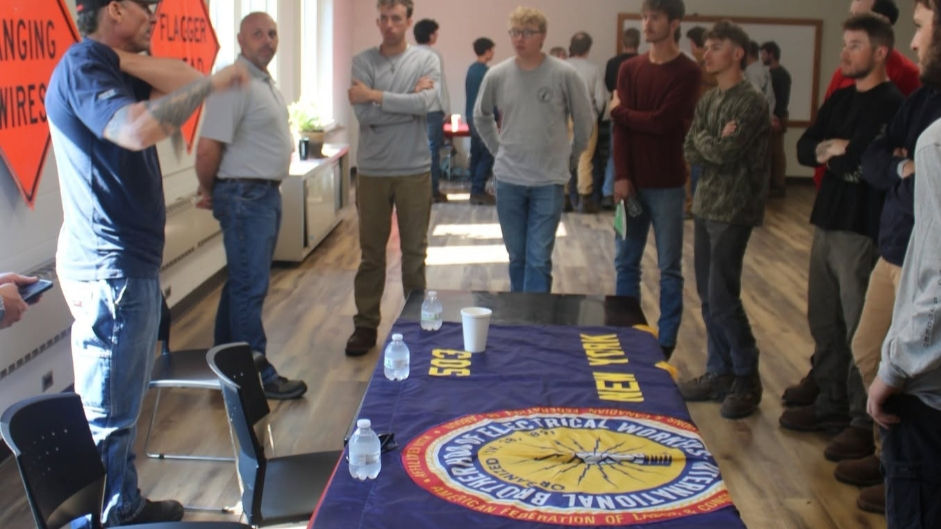
Instead, training is designed to help students develop foundational skills that can better prepare them to pursue opportunities with utilities, contractors, unions, and other employers in the electrical line industry. L.I.N.E. also maintains relationships with employers and industry organizations and provides students with exposure to employer visits, recruitment events, presentations, and career-focused discussions.
For a high school graduate entering the workforce for the first time, that exposure can be especially valuable.
Is Linework Right for You?
Linework isn't the right career for everyone.
Before choosing this path, ask yourself:
Do I enjoy working outdoors?
Am I comfortable with heights?
Do I like physical, hands-on work?
Can I work as part of a team?
Am I willing to take safety seriously?
Do I want to learn a skilled trade?
If you're answering yes, it may be time to learn more about what a career in the line trade could look like.
Preparing Students for More Than the Classroom
At L.I.N.E., preparing students for the workforce goes beyond technical training. Students also receive guidance on developing professional resumes, writing cover letters, preparing for job interviews, and understanding what employers look for when hiring entry-level lineworkers. Through employer visits, recruitment events, and career-focused discussions, students have opportunities to connect with industry professionals and learn more about potential career paths. Our goal is not simply to teach students how to climb poles, but to help them develop the skills, confidence, and professional preparation needed to pursue opportunities in the electrical line trade.
Class of 2027: Start Planning Your Next Move
If you're graduating high school in 2027, you don't have to wait until graduation day to decide what's next. L.I.N.E.'s Fall 2027 Electrical Lineworker Program begins August 2, 2027, giving graduating seniors the opportunity to transition from high school into specialized lineworker training that same year. Your high school graduation may mark the end of one chapter. It could also be the beginning of your path into the line trade.
Ready to Learn More?
Explore L.I.N.E.'s Electrical Lineworker Program, request a catalog, schedule a campus tour, or apply for an upcoming class.
Your future doesn't have to wait four years to get started.


Comments