
Choosing a Lineman School in 2027: What to Look for & Why Students Choose L.I.N.E.

Updated: 6 hours ago
Choosing the right lineman school is one of the most important decisions you'll make when preparing for a career in the electrical line trade. With several training programs available across the United States, prospective students often find themselves comparing schools based on tuition, location, program length, hands-on training, certifications, and employment preparation. Well-known institutions such as Northwest Lineman College and Southeast Lineman Training Center offer programs designed to prepare individuals for careers in the electrical utility industry. But how do you determine which school is the best fit for your goals? At Linemen Institute of the North East (L.I.N.E.) in Kingston, New York, we believe choosing a lineman school should involve more than comparing tuition or looking at a school's name. Understanding what each program offers—and how that training aligns with your career goals—can help you make an informed decision.
What Should You Compare When Choosing a Lineman School?
Not all lineman schools offer the same training experience. Before enrolling, prospective students should carefully evaluate several important factors.
These include:
Program Length: How many weeks and training hours does the program include?
Hands-On Training: How much time will you spend practicing skills in the field?
Class Size: What is the student-to-instructor ratio?
CDL Preparation: Does the school provide CDL training and testing opportunities?
Certifications: What safety training and credentials are included?
Equipment: Will students train using equipment commonly found in the industry?
Employer Relationships & Industry Exposure: Does the school maintain relationships with employers in the utility and linework industries? Do employers visit the campus, participate in recruitment events, speak with students, or provide opportunities for students to learn directly about hiring expectations and career paths?
Total Cost: Are tools, training materials, equipment fees, and other required expenses included?
Location: Will you need to relocate or arrange housing during training?
A school that is right for one student may not be the best choice for another. Comparing these factors can help you identify the training environment that fits your needs.
Comparing Lineman Schools Across the United States
Several established lineman training institutions operate throughout the United States, each offering different programs, facilities, training approaches, and enrollment opportunities.
For example, Southeast Lineman Training Center offers an Electrical Lineworker Program consisting of 500 training hours over approximately 15 weeks. Its published curriculum includes classroom instruction, climbing, equipment operation, and powerline construction training. Other institutions, including Northwest Lineman College, also offer specialized training designed to introduce students to the electrical line trade. When researching these schools, students should review the most current program catalogs, tuition schedules, admissions requirements, and training details directly with each institution.
The goal isn't simply to find the biggest or most recognizable school. It's to find the program that offers the preparation, resources, and environment that best align with your career goals.
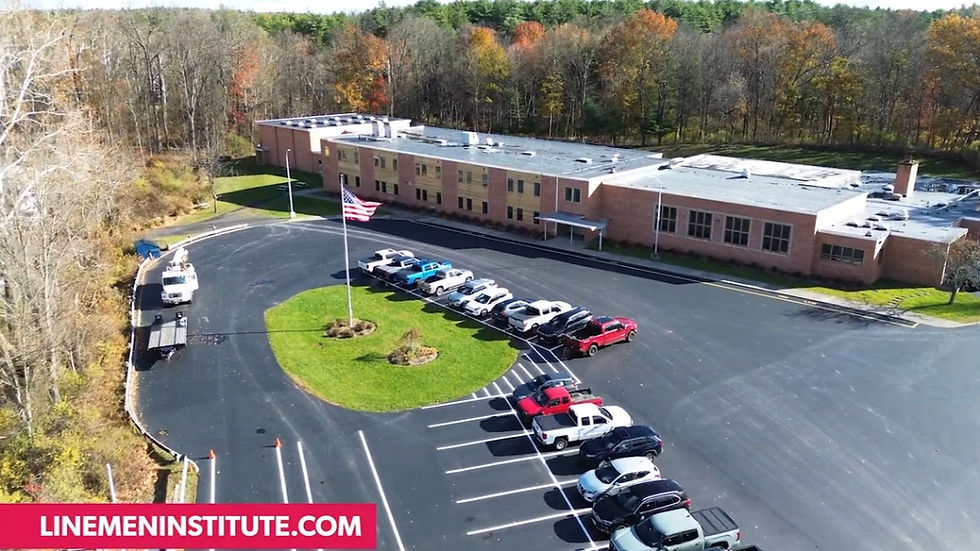

Why Students Choose Linemen Institute of the North East
This is where I want to highlight L.I.N.E.'s strengths:
500 Hours of Focused Lineworker Training- L.I.N.E.’s Electrical Lineworker Program consists of 500 hours of training. The focused program combines classroom education with extensive hands-on field training, allowing students to develop foundational skills before pursuing entry-level employment or apprenticeship opportunities.
Extensive Hands-On Training- Linework is a hands-on profession, and practical training is a major part of the L.I.N.E. experience. Students spend time in the training yard developing skills in climbing, linework fundamentals, equipment operation, rescue techniques, and safe work practices.
CDL Training and Testing Opportunities- Because commercial vehicles and specialized equipment are commonly used throughout the industry, CDL qualifications can be valuable for prospective lineworkers. L.I.N.E. incorporates CDL training and testing opportunities into the program so students can work toward this important qualification during their training.
Safety Training and Industry Credentials- Safety is central to linework training. L.I.N.E. students receive training that includes OSHA 10-Hour, CPR and First Aid, Pole Rescue, Bucket Rescue, and Self-Rescue, helping students develop the safety awareness and skills expected in the industry.
Experienced Instructors- Students learn from instructors who understand the demands, expectations, and safety responsibilities of the line trade. Instructors provide classroom education as well as hands-on guidance in the training yard, helping students develop skills through practice, instruction, and feedback.
Relationships With Employers- L.I.N.E. has developed relationships with employers and industry organizations that give students opportunities for direct industry exposure. Through employer visits, recruitment events, presentations, and career-focused discussions, students can interact with industry professionals and learn more about hiring expectations, apprenticeships, and career opportunities.
While employment cannot be guaranteed, these relationships help connect the training experience with the industry students are preparing to enter.
Train in Kingston, New York- Located in Kingston, New York, L.I.N.E. provides students in New York and throughout the Northeast with an opportunity to pursue specialized electrical lineworker training without necessarily traveling across the country to attend school.
Questions to Ask Before Choosing a Lineman School
Before committing to a lineman school, take the time to ask questions and understand exactly what the program provides. A campus tour can also give you a much better sense of the training environment, equipment, instructors, and facilities.
Some important questions to ask include:
How many total training hours are included?
How much of the program involves hands-on field training?
What is the student-to-instructor ratio?
Is CDL training included or available?
What safety training and credentials are offered?
What types of trucks, equipment, and training facilities will students use?
Are tools and training materials included in the advertised cost?
Does the school have relationships with employers in the industry?
Do employers visit the school or participate in recruitment events?
What career resources are available to students and graduates?
What are the attendance and graduation requirements?
Are housing options available for students who live farther away?
Asking these questions can help you compare programs based on the complete training experience rather than making a decision based on tuition, location, or name recognition alone.
The Best Lineman School Is the One That Fits Your Goals
There is no single lineman school that will be the right choice for every student. Programs differ in location, cost, length, training environment, class structure, and the opportunities they provide. Take the time to research different schools, review their current program information, visit campuses when possible, and ask detailed questions before enrolling.
If you're considering L.I.N.E., we encourage you to visit our Kingston campus, see the training environment, and learn more about what our 500-hour Electrical Lineworker Program offers.
See L.I.N.E. for Yourself
The best way to decide whether a lineman school is right for you is to see it firsthand.
Enrollment is now open for Summer and Fall 2027. The Summer 2027 class begins April 19, 2027, and the Fall 2027 class begins August 2, 2027.
Schedule a tour of Linemen Institute of the North East in Kingston, New York, meet our team, see the training environment, and ask the questions that matter to you. Your path into the line trade starts with choosing the training that's right for you.


Comments